

LeT’s build a better oak bay Together. Here are my priorities.
-
Oak Bay is a community of renters and homeowners, young families and seniors — people at every stage of life. It's already vibrant, diverse, and welcoming, but there is always room to make it even more so. That’s why I believe community and social well-being belong at the centre of every council decision.
Learn more here.
-
Oak Bay is already feeling the effects of climate change: drought and extreme heat, heavy rainfall, and wildfire smoke are no longer distant risks but current realities.
That's why every decision at the Council table needs a climate lens. Climate change affects everything from the cost of living and housing to food security and health. Provincial and federal policy can only go so far in addressing local impacts. Municipalities are uniquely positioned to act, and I believe Oak Bay residents expect their local leaders to do exactly that.
Climate resilience is one of my core priorities. I want to see Oak Bay invest in climate action planning so our neighbourhoods, and everyone in them, are better prepared for future climate impacts.
Learn more here.
-
Oak Bay needs a network of safe, connected streets for biking, walking, and rolling, not just isolated stretches. That means listening carefully to balance on-street parking, safe routes, and residents' concerns, so the solutions actually work for our streets.
I believe Oak Bay can find shared values around active transportation: safe routes for people commuting to work or getting out for recreation, students heading to UVic, and parents and children biking to school. Together, these build the kind of community cohesion and healthy, active lifestyle that make Oak Bay a place people love to travel through, on foot or on wheels.
A more walkable, bikeable Oak Bay isn't just good for the climate; it's good for connecting us to each other and to our neighbouring communities. When we invest in active transportation and pedestrian safety, we build a stronger, more inclusive Oak Bay for every resident.
Learn more here.
-
Deferred infrastructure maintenance is a growing concern for many Oak Bay residents. In 2026, taxpayers saw an 8.5% property tax increase — and further increases are likely. The reason is straightforward: decades of underfunded infrastructure replacement have left the District facing a deficit of more than $300 million in drainage, sewer, and water systems. Property owners will keep paying for this long-term underinvestment, through both rising taxes and increased borrowing.
Oak Bay's financial challenges affect every household. About 95% of our property tax revenue comes from residential properties, and we need solutions that reduce that reliance so we can meet our infrastructure needs.
The Council elected this October will decide how to respond: how much to borrow, how quickly to build reserves, and how to prioritize a growing list of capital expenses.
Learn more here.
-
Oak Bay is known for its beautiful neighbourhoods, unique natural features, strong sense of community, and high quality of life. But we also face real challenges: single-detached homes dominate the housing stock, new housing options remain limited, and a growing regional population is making Oak Bay increasingly unaffordable. Provincial housing mandates under Bill 44 add further pressure on a small municipality like Oak Bay.
My priority on housing is to ensure that all Oak Bay residents have a meaningful voice in how we respond, so that growth reflects a wide array of community values. This includes providing more diverse options for households at every stage of life — welcoming first-time buyers, allowing seniors to downsize, and creating rental options for a range of needs — while also building below-market, subsidized housing when the right location arises.
I believe that when approached thoughtfully and with real community input, change can bring people together — because at heart, all residents of Oak Bay share the same underlying goal: a community where everyone can thrive.
Housing and nature should not be competing priorities. As we plan for more housing, we need to plan for canopy retention and green infrastructure standards alongside it — not as an afterthought, but as part of the same conversation from day one. Nature-based solutions like trees and permeable surfaces on private lots are among our most effective tools for protecting it. A healthy urban tree canopy manages stormwater, cools our neighbourhoods during extreme heat, connects biodiversity corridors, and supports the outdoor recreation and community well-being that define life here.
Learn more here.
A VIBRANT, Liveable community

Reconciliation beyond land acknowledgements:
Support for the District of Oak Bay’s Draft Indigenous Relations and Reconciliation Framework, which includes: Government-to-Government Relationship Building, Cultural Expression, Recognition, and Revitalization, Cultural and Reconciliation Learning and Activities, Land and Environment Conservation
Xhamasung/Oak Bay Marina lease as a potential model for economic reconciliation
Partner with ReconciliACTION Oak Bay to advance efforts
Support the Vancouver Island Trail Association’s Auntie Programme for Songhees youth
Belonging and inclusion:
Welcome a range of people to live and spend time in Oak Bay, including newcomers, renters, young families, and students, and to engage underrepresented groups in municipal processes
Improve accessibility for people with disabilities and mobility challenges
Support zoning and other measures that increase childcare availability and programs for young families, such as the Carnarvon Park Redevelopment Plan
Expand recreation and programming for teens and young adults
A vibrant village core and neighbourhood spaces:
Advocate for zoning and business licensing policies that give local, independent businesses long-term tenancy stability
Treat “third spaces” (parks, cafes, small shops, gathering spots) as essential community infrastructure so that people from all walks of life have places to come together
Engage local business owners directly in planning that affects the village core
Support the Oak Bay Business Association, Oak Bay Tourism, Oak Bay Arts and Culture, among other economic development partners
Caring for the health of our residents and our aging population:
Redevelop the former Oak Bay Lodge site as a “campus of care” for seniors
Advocate for retention and recruitment solutions to our region's family doctor shortage
Explore options for municipal partnerships that ease the administrative burden on physicians
Parks, nature and culture:
Support parks and natural areas as informal meeting spaces for the community
Champion arts and culture as drivers for connection and well-being
Explore options for more dedicated dog parks
A resilient and sustainable Community
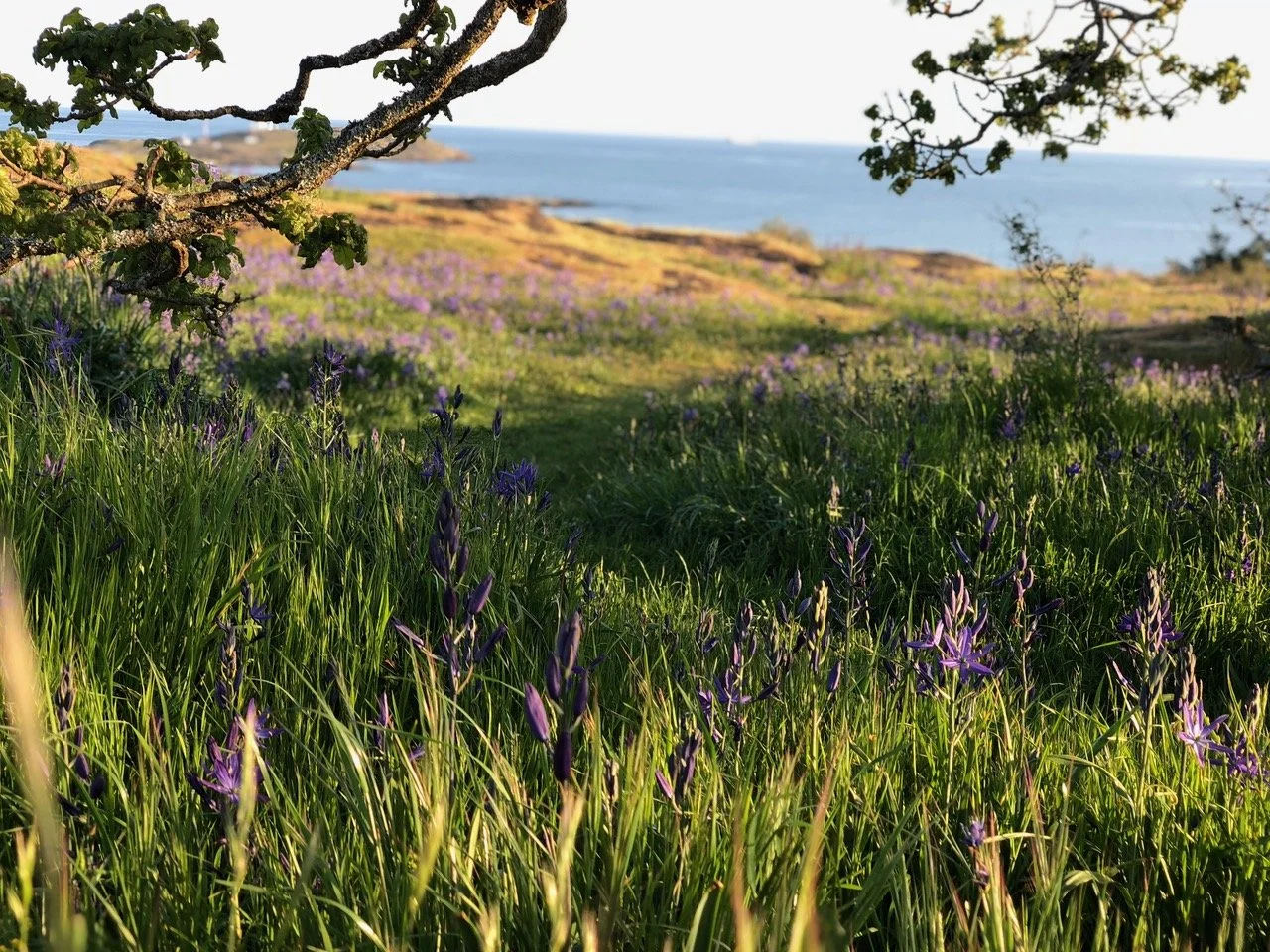
My approach is guided by solutions that protect our community and reduce greenhouse gas emissions, prioritizing both climate mitigation and adaptation, including:
Build infrastructure designed to withstand and respond to projected climate impacts
Advance the Community Climate Action Plan to completion in 2027
Implement the Corporate Climate Action Plan, including the EV-Ready Fleet Plan
Follow through on the District of Oak Bay’s Active Transportation Strategy
Uphold the District of Oak Bay’s Urban Forest Management Strategy, Tree Protection Bylaw, and expand other nature-based solutions
Champion the Zero Carbon Step Code
Improve outreach about clean energy retrofits and rebates
EV-ready charging stations and support for electric bikes
Car-share access (Evo and Modo) in all Oak Bay neighbourhoods, building on the parking bylaw groundwork already in place
Continue to fund the Oak Bay Coolkit and other public climate-education opportunities
Support a Right to Cool bylaw to protect renters during extreme heat events
Increase public education under the Oak Bay Emergency Program and strengthen the Emergency Response Plan
A REsponsive local government that is ready to act

My approach includes:
Analyze the Sustainable Infrastructure Replacement Plan and more recent Engineering Capital Works Plans
Provide sound fiscal management that weighs borrowing, reserve-building, and capital priorities against tax implications
Budget for the impact of population growth and more frequent extreme weather events on infrastructure
Recognize the increased downloading of costs from provincial and federal governments onto municipalities, and support for allocation-based funding programs
Use the Development Cost Charge (DCC) Bylaw to recover infrastructure costs associated with increased growth
My fiscal approach includes:
Broaden our revenue sources from primarily residential property taxes by increasing commercial spaces, pursuing revenue-generating grant and third-party development opportunities, coordinating capital projects for greater efficiencies, and aligning our budget with real cost pressures.
An active and accessible community for everyone

This includes the need to:
Follow through on the District of Oak Bay's Active Transportation Strategy
Implement the District of Oak Bay’s Pedestrian and Sidewalk Master Plan so all residents feel safe and connected
Coordinate cycling, pedestrian, and sidewalk infrastructure upgrades alongside underground utility replacements
Build All Ages and Abilities (AAA) infrastructure, spanning a range of active transportation options from neighbourhood bikeways to protected bike lanes and multi-use pathways, based on each specific route
Improve safety measures such as speed humps, crosswalk upgrades, road markings, and cyclist-controlled crossings, developed in consultation with Oak Bay's Fire, Police, and Ambulance services
Ground this work in the BC Active Transportation Design Guide to ensure routes meet provincial best-practice standards for safety and accessibility
A planning approach that builds community while protecting our natural environment

This includes the need to:
Balance decision-making on housing while respectfully listening to a range of community input and correspondence
Use the new Official Community Plan as an overarching guideline, while also recognizing that the OCP amendment process is an opportunity for broader input and debate
Increase housing supply in strategic locations, such as neighbourhood villages and along transit routes
Support the Cedar Hill Corner/UVIC development and the reinstatement of provincial funding
Ensure tree retention, natural assets, setbacks, and climate resiliency in housing developments
Streamline gentle density housing, such as secondary suites and ADUs
While also upholding:
Indigenous knowledge:
Acknowledge that Oak Bay sits on land stewarded since time immemorial by the lək̓ʷəŋən people, known today as the Songhees and Esquimalt Nations
Recognize and incorporate Indigenous voices, knowledge systems, and stewardship practices in parks and other natural areas
Include relationship-building with the Songhees and Esquimalt Nations on development near cultural sites
Urban forest and tree canopy:
Uphold the District of Oak Bay's Urban Forest Management Strategy, targeting 40% canopy cover by 2045
Strengthen the Tree Protection Bylaw, alongside a public commitment to plant more trees on private property
Support a District of Oak Bay Parks Master Plan
Biodiversity and natural areas:
Enhance biodiversity corridors across Oak Bay
Recognize nature-based solutions (trees, green space) as core infrastructure
Community stewardship and partnerships:
Partner with volunteer-led restoration groups such as Friends of Uplands Park and Friends of Bowker Creek
Partner with the Oak Bay Community Green Mapping Project
Advance community stewardship of the urban forest and natural areas

Volunteer with US!
This is a volunteer-run campaign. Knock doors with us, host a short meet and greet with Karin so your friends and neighbours can get to know her, or share your idea for how to spread the word to Oak Bay voters!